
Some blokes dig a hole, skip the clay core, and vanish when it leaks by autumn. We read the land, build it right, and you fill it once and forget it.
Fill this in and Kyle gives you a call back himself, no call centre, no runaround.
Anyone can push dirt around for an afternoon. Building a dam that holds through a dry summer is a different trade altogether. We key the wall into solid ground, compact it in proper layers, and build the clay core that stops the water walking straight back out. Five years of this and we know the difference between a dam and a hole that looks like one.
What you quietly want is simple. A full dam in February. Stock watered, pasture green, a sheet of still water you walk past without a second thought. No cracks creeping up the wall, no muddy rim where the level keeps dropping. Just water where water should be, sitting exactly where you put it, year after year, without you ever worrying about it again.
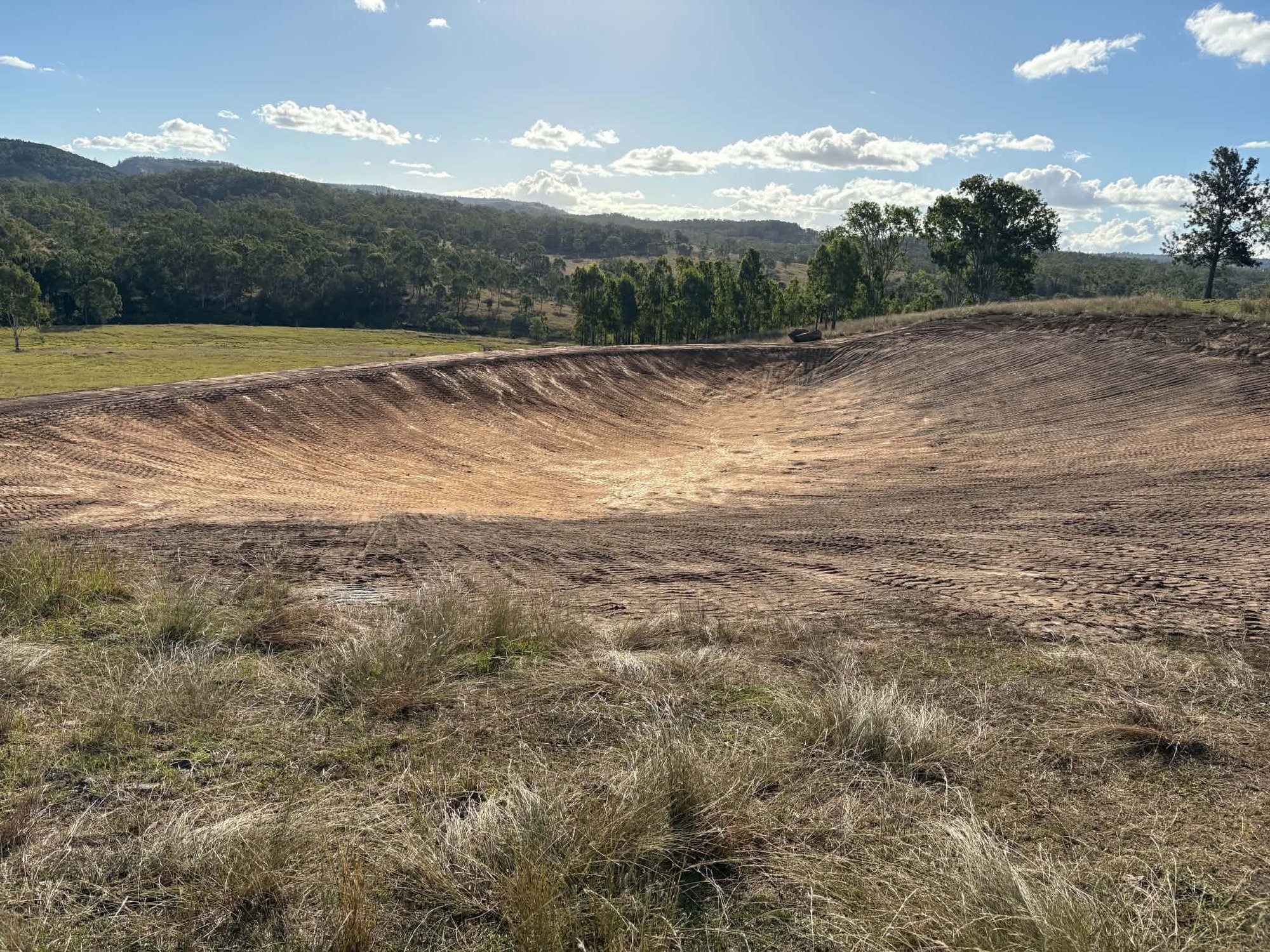
We cleaned out a small irrigation dam and enlarged it to 230 megalitres. Done properly, that kind of work doesn't look like a scar on the paddock. It follows the fall of the land, the spoil is spread and shaped, and in a season the grass is back. Drive past in a year and it looks like the country always had it there.
A careless operator fights the contours, ignores the soil, and leaves a leaking mess. We read the fall first, use the right material for your dirt, and build it to last.
We walk your property, check the soil, and follow the natural fall. Where the water wants to sit tells us where the dam belongs before a single track turns.
Wall keyed into solid ground, clay core done properly, compacted in layers with the right gear. No shortcuts, no cheap quote that blows out later. Done once.
Spoil shaped, ground tidied, grass back within a season. In a year it looks like nature formed it, like the dam was always meant to be there.
That's the fear with every dam, and it comes down to the clay core and how the wall is compacted. We test your soil first, key the wall into solid ground, and build it in proper layers. If your ground won't hold on its own, we tell you straight before we start.
Yes. We've cleaned out and enlarged plenty, including a small irrigation dam we took to 230 megalitres. We find why it's failing first, whether it's silt, a poor wall, or no proper core, then fix the cause instead of just patching it and hoping.
No. We follow the natural fall, spread and shape the spoil instead of dumping it, and leave the ground tidy. Within a season the grass is back. The whole point is it looks like the land always had the dam there.
Because a cheap quote often skips the clay core, the compaction, and the testing, then blows out or leaks within a year. We're upfront about price and what's involved. You pay once and you don't do it twice. That's where the real value is.
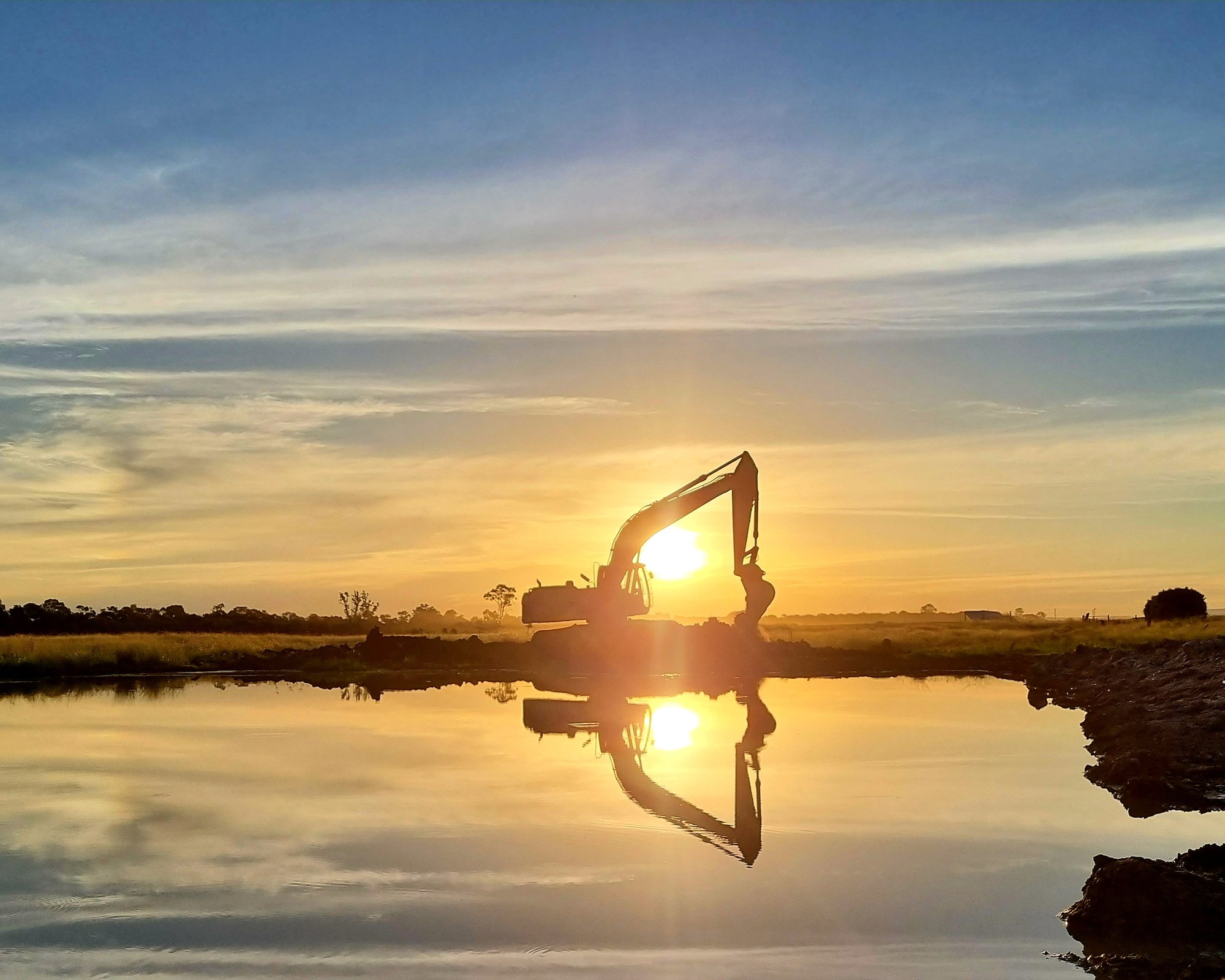
It matters a lot. We run 20T and 14T excavators, 14T and 20T wheel loaders, a 10m tipper and water cart, a posi track and a 12G grader. The right machine for each stage means the job's done properly and tidied off right.
I run KRD Earthmoving across the Lockyer Valley and Somerset. Five years building dams and clearing land for rural owners, farmers, lifestyle blocks and hobby farmers. The reason people pick us is simple. We're honest, we're upfront, and the work holds up.
I've seen what gets left behind when someone digs a hole, skips the clay core, and walks off. The dam leaks, the land's scarred, and the owner's out serious money. That's not how we work. We build it once, we build it right, and we tell you the truth before we start.
If you want a dam that holds and land that's ready to use, have a yarn with me. I'll come out, have a proper look at your property, and give you a straight answer and a fixed price.
Get A Quote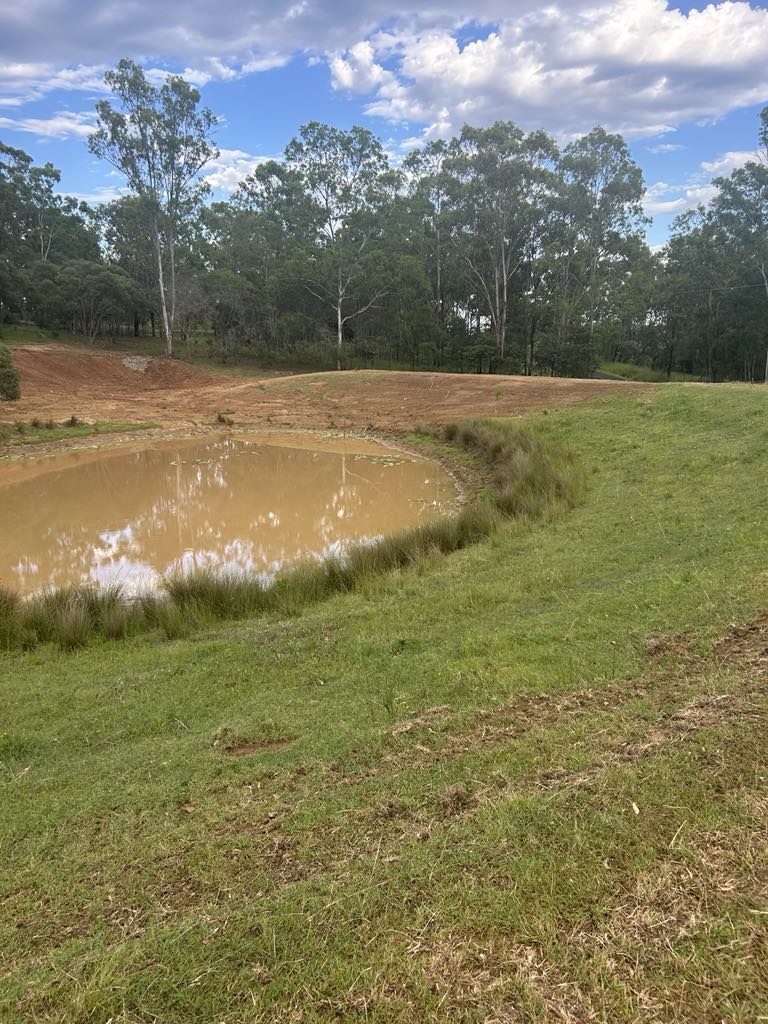
Fixed price, no pressure, and a straight answer on whether your ground will hold before any work starts.